Schedule Service
Open Today Sales: 9 AM-8 PMOpen Today Service: 7:30 AM-6 PMOpen Today Parts: 7:30 AM-5 PM



Your Volkswagen relies on a tightly integrated 12-volt ecosystem that powers starting, lighting, safety systems, ADAS, infotainment, and networked control modules. When a no-start, battery light, or general electrical warning interrupts your day, precise diagnostics matter more than guesswork. Our VW Certified Technicians use factory-guided test plans, ODIS software, and advanced electrical tools to separate symptoms from root causes and protect sensitive modules while testing. We combine real-world voltage measurements, current ramping, ripple analysis, and CAN bus communication checks with model-specific service information and technical bulletins to pinpoint the fault—whether it is a weak battery, alternator output issue, ground fault, voltage drop in a primary cable, or a module that is staying awake and draining power.
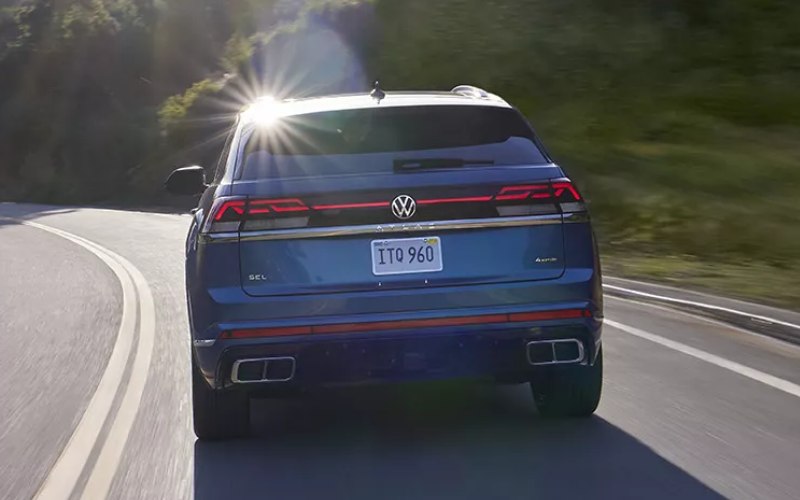
Modern Volkswagens monitor battery state-of-charge and health with intelligent sensors, and some models require battery adaptation after replacement to ensure proper charging strategy. That is why parts selection and coding matter. Genuine VW batteries match the original specification for CCA, reserve capacity, case size, and venting, while alternators must meet factory amperage and regulation standards to prevent undercharging and overcharging. At New Century Volkswagen, we protect vehicle memory, complete needed coding, and validate the repair with a documented load test and a post-repair quality check so you leave with reliable starts, stable voltage, and clear dashboards. From ID.4 to Atlas, Jetta, Taos, and Tiguan, our team follows Volkswagen procedures that help prevent repeat concerns and safeguard your vehicle’s long-term electrical health.

These observations help our technicians reproduce the concern and accelerate diagnostics. If your Volkswagen cranks slowly in the morning, loses presets, or shows intermittent warnings after short trips, the root cause might be an aging battery that cannot recover from stop-and-go driving, an alternator diode fault that drains the battery overnight, or a high-resistance ground causing voltage drop under load. If you are stuck with a no-start or the battery light is on, avoid repeated crank attempts and schedule service near Burbank, CA. We will secure the electrical system, perform safe jump procedures if needed, and begin testing to protect modules and your data while we restore reliable operation.
Electrical complaints can masquerade as software glitches, but voltage stability is the foundation. We start with a structured approach: visual and smell checks, terminal integrity, and cable routing; baseline open-circuit voltage and battery conductance testing to assess internal health; and a dynamic load test to see how voltage holds during cranking. Alternator evaluation includes output current under multiple loads, voltage regulation stability, and AC ripple analysis that can reveal failing diodes. We then measure voltage drop across primary power and ground paths using millivolt techniques to find hidden resistance in cables, junctions, and ground straps. Where applicable, we verify serpentine belt condition and tension to rule out mechanical slip.

Next, we scan the vehicle with ODIS to capture freeze-frame data, network topology, and module fault histories. Communication errors can stem from low voltage, but consistent CAN errors may indicate a module that is not sleeping, leading to parasitic draw. We perform closed-door current-draw testing with timed sleep-cycle verification, isolating circuits via fuses and intelligent power distribution logs. When replacing a battery, we perform BEM coding or adaptation so the energy management system charges correctly. Alternator replacements are matched to factory amperage and LIN-controlled regulation when applicable. New Century Volkswagen documents each measurement, applies any model-specific technical bulletins, and validates the repair with a cold-soak restart test and a final scan to confirm a healthy electrical ecosystem.
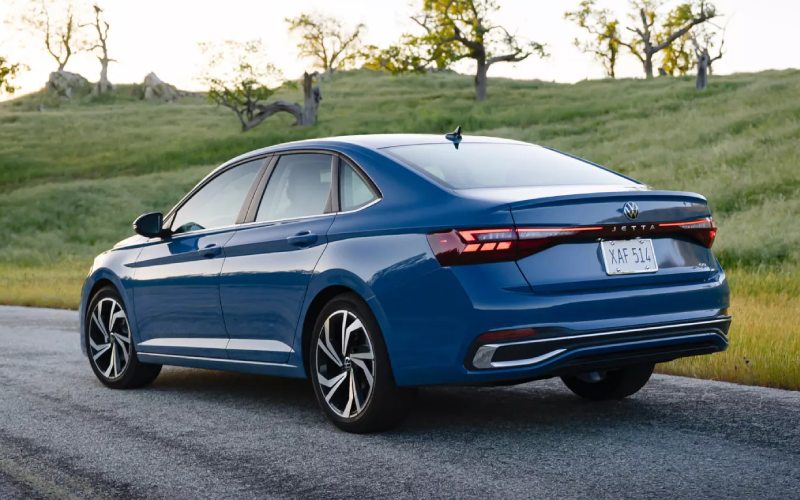
Electrical reliability hinges on both parts quality and precision workmanship. We use Genuine Volkswagen Parts because they meet factory specifications for fit, output, and durability, and we back that with careful installation, torque values, and harness routing that prevent chafing or future resistance. Every repair concludes with a measurement-based quality check—battery state-of-charge and health report, alternator stability under accessory loads, and a sleep-current confirmation that reflects how your Volkswagen will behave in your driveway. If you need fast, professional help near Burbank, CA, our team can often turn same-day diagnostics and get you back on the road with verified voltage stability and a clear instrument cluster.
How can I tell if my issue is the battery or the alternator?
Slow cranking and loss of presets point to a weak battery, while a red battery light that appears after startup, dimming lights with accessories on, or a whining noise may indicate alternator trouble. We confirm with conductance, load, and ripple tests.
Is it safe to drive with the battery light on?
It is best to limit driving. A failing alternator can deplete the battery and shut down critical systems. We recommend scheduling service promptly for testing and repair.
Do Volkswagens require battery coding after replacement?
Many late-model Volkswagens use energy management that benefits from battery adaptation. We perform this step so charging strategy matches the new battery.
What is a parasitic draw and how do you find it?
It is an excessive current drain with the vehicle off. We verify sleep current, isolate circuits via fuses and data, and correct the root cause—wiring, modules, or accessories.
How often should a 12V battery be replaced?
Usage and climate vary, but many batteries last 3–5 years. We check health during routine service and provide a printed report so you can plan proactively.
Will Genuine VW Parts make a difference?
Yes. Genuine components match VW specifications for output and communication, which helps prevent undercharging, warning lights, or fitment issues.
Do you offer flexible payment options for repairs?
We provide dealership-supported payment solutions for service and parts. Ask our advisors how to apply quickly before your visit.
Do EVs like the ID.4 still have a 12V battery?
Yes. The 12V system powers control modules and safety systems. We service and test the 12V battery on EVs using EV-safe procedures.
Electrical issues can be frustrating, but with factory tools, Genuine Volkswagen Parts, and a methodical test plan, your VW can return to healthy voltage and confident starts. Our service team secures your vehicle’s data, performs safe jump procedures when necessary, and documents every measurement so you understand exactly what failed and why the repair is correct. Whether the fix is a coded battery, an alternator with proper regulation, a restored ground path, or a corrected accessory install, we complete the job with a post-repair scan, load test, and a sleep-current verification that mirrors real-life parking conditions.
Use our online scheduler to select a time that fits your day, and arrive to a friendly service experience built for modern vehicles—comfortable lounge, Wi-Fi, and a team focused on keeping you informed. If you need help arranging payment, our advisors can walk you through available service financing options. At New Century Volkswagen, our mission is simple—protect your VW with expert diagnostics, quality parts, and craftsmanship that lasts. Book your appointment today and drive off with the electrical confidence your Volkswagen deserves.