




Mastering Tire Sidewall Codes for Safer Drives around North Hollywood, CA
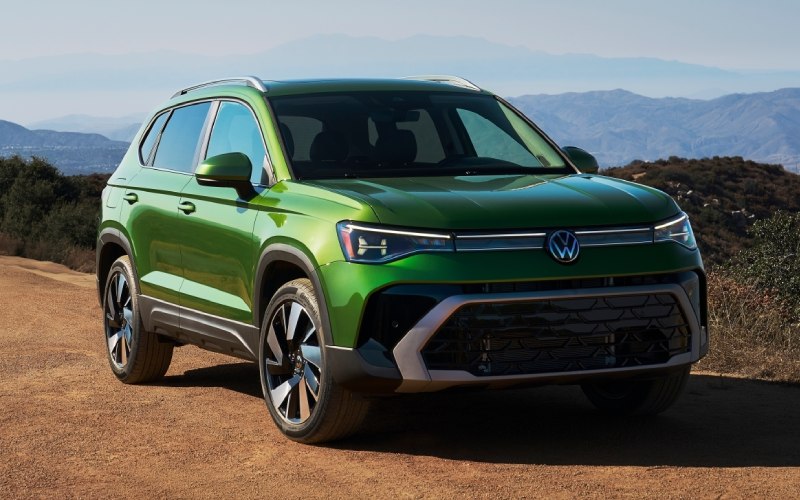
New Century Volkswagen – Mastering Tire Sidewall Codes for Safer Drives around North Hollywood, CA
Your tire’s sidewall is a compact encyclopedia—read it well, and you can make smarter choices about safety, comfort, and performance. For daily drives through studio lots, side streets, and the Hollywood Freeway, decoding those markings helps you select (and maintain) tires that match your VW’s engineering. A quick glance reveals the tire’s width, aspect ratio, construction type, diameter, load index, and speed rating—each with clear implications for handling feel, braking capability, and ride quality. It also shows seasonal fit (all-season, summer, winter), traction and temperature grades, and manufacturing date codes that help you avoid aging rubber that may have hardened in the SoCal sun.
Start with the format: something like 235/45R18 94V. The first number (235) is section width in millimeters; 45 is the aspect ratio (sidewall height as a percentage of width). The R indicates radial construction, and 18 is the wheel diameter in inches. The load index (94) pairs to a weight capacity; the speed rating (V) identifies the maximum sustained speed the tire is designed to handle. Even if you never approach those speeds, ratings can influence heat resistance and carcass stiffness, affecting everyday comfort and control. For Volkswagen EVs and higher-torque models, pay attention to reinforced sidewalls or EV-specific markings—these tires resist deformation, support weight from battery packs, and help retain range through low rolling resistance.
- Load index: Confirms the maximum weight one tire can support—vital for SUVs, crossovers, and EVs.
- Speed rating: Indicates the tire’s heat resistance and structural capability, which also affects ride and handling.
- UTQG grades: Treadwear, traction, and temperature letters offer comparative insights across brands and models.
- DOT code: Reveals the manufacturing plant and week/year of production, useful for identifying older inventory.
- Seasonal icons: M+S or mountain-snowflake markings identify light-snow or severe-snow certification.
Reading the sidewall is only the first step—installation and care complete the picture. Mounting and balancing reduce vibration and improve steering feel. TPMS service ensures accurate pressure readings; a slow leak can shorten tire life and lengthen stopping distances. Alignment preserves tread edges and keeps your VW tracking straight—especially important if your routes include angled driveways or occasional canyon twists. Finally, a rotation plan smooths out wear patterns from front-axle steering and braking loads, helping you maintain the quiet ride and surefootedness you notice on day one.
When you are ready to choose, bring your code and your goals—quiet comfort, precise handling, long-distance economy, or a well-judged blend. Our advisors translate sidewall data into real-world results and present options that fit your VW’s chassis targets and your daily routes. If you prefer to budget over time, flexible payment options are available for eligible purchases with straightforward applications and quick decisions. At the end of the process, your VW should feel exactly right: steady on the freeway, composed over imperfect pavement, and grippy when traffic tightens unexpectedly.
Whether you commute, create, or cruise on weekends, tire knowledge pays off at every stoplight and merge lane. Visit us for a tread and inflation check, bring questions about speed ratings or EV-ready choices, and we will outline a rotation and alignment plan that protects your investment mile after mile. New Century Volkswagen is here to make sidewall details simple and actionable—so your car feels refined, responsive, and ready for the road, serving Mid-Wilshire, Burbank, and North Hollywood.
0 comment(s) so far on Mastering Tire Sidewall Codes for Safer Drives around North Hollywood, CA