




Volkswagen Battery Light and Alternator Troubleshooting for Stress-Free Commutes across Los Angeles, CA
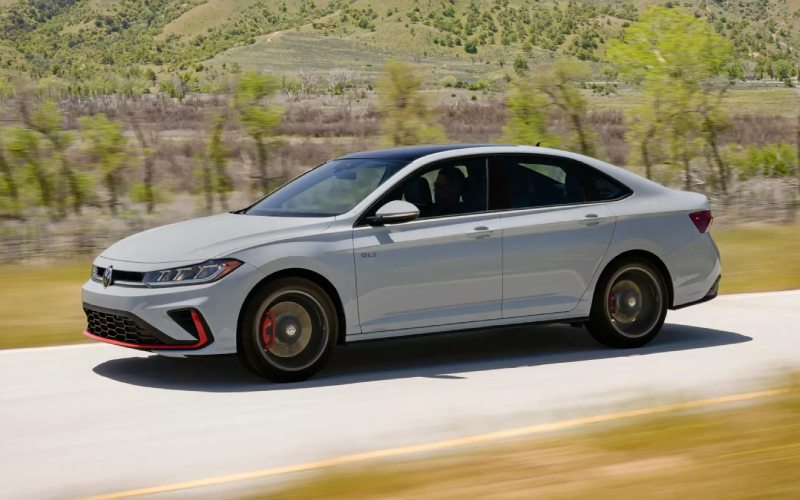
New Century Volkswagen – Volkswagen Battery Light and Alternator Troubleshooting for Stress-Free Commutes across Los Angeles, CA
A battery icon or electrical warning during a commute can make the next mile feel uncertain. The good news is that most Volkswagen electrical alerts follow predictable patterns—when you know what they mean, you can make smarter decisions about driving versus parking and how to address the concern quickly. Start by noting when the light appears: at key-on, after starting, only at idle with heavy accessory use, or intermittently over bumps. Each scenario provides a clue. For example, a light that flickers with steering input or A/C use may indicate a marginal alternator whose output drops under load, while a light that arrives after a long highway run can signal an alternator diode problem causing elevated AC ripple. Meanwhile, a warning paired with slow morning cranking often points to a battery near end of life.
Because Volkswagens rely on sophisticated energy management, accurate testing saves time and protects modules. A proper evaluation includes three essentials: battery conductance and load testing, alternator output and ripple testing, and voltage-drop checks across main power and ground paths. Conductance reveals internal battery health in ways a simple voltage reading cannot. Output and ripple testing confirm not only how much current the alternator can deliver but also whether its internal diodes are cleanly rectifying AC to DC—excess ripple confuses control modules and can trigger ghost warnings. Voltage-drop testing under load uncovers hidden resistance at corroded terminals, fatigued ground straps, and inline junction points that otherwise look fine.
- Quick triage at the curb: If the battery light turns on after start, turn off nonessential accessories, avoid extended idling, and head toward a safe parking spot.
- Watch for dimming patterns: Headlights that brighten with RPM often indicate low alternator output or a slipping belt.
- Mind recent installs: New dash cams or hardwired accessories can draw power incorrectly if not fused and grounded to the right circuits.
- Capture details: Take a photo of the cluster and note the time, weather, and driving conditions to help your service team reproduce the concern.
Once you schedule professional diagnostics, expect a step-by-step process. After registering the vehicle’s condition, technicians stabilize system voltage, scan for freeze-frame data, and measure baseline battery health. They will then apply loads—rear defogger, blower motor, high beams—to assess alternator regulation, followed by AC ripple checks to spot diode issues. Voltage-drop testing across the positive cable and ground path identifies high-resistance connections that sap cranking power and confuse sensors. If a battery is needed, choosing the correct case size, CCA, and venting is essential, and many models require coding or adaptation so the energy management system charges properly.
Reliable results also hinge on part quality and the finishing steps. That means matching alternator amperage to factory spec, inspecting belt condition and tension, cleaning and protecting terminals, and routing cables to avoid chafe points. Finally, a post-repair validation—clean scan, repeat load test, and a cold start after a sit—confirms your Volkswagen will start strong the next morning. If you want a seamless path from warning light to worry-free driving, partner with a team that blends factory procedures with real-world testing discipline. New Century Volkswagen can help you plan the visit, explain the data, and complete the work with Genuine VW Parts so your commute stays smooth. We are proudly serving North Hollywood, Van Nuys, and Los Angeles with tools and training tailored to your VW.
Frequently asked questions can help you prepare for service day. How do you distinguish a battery versus alternator fault in minutes? Test open-circuit voltage, then crank and observe voltage sag; follow with alternator output and ripple under load. Can you drive with the battery light on? Only briefly—to a safe location—because modern vehicles rely on stable voltage for everything from airbags to steering assistance. Do EVs still need 12V attention? Yes; the high-voltage pack powers propulsion, but a conventional 12V battery supports control modules and requires the same careful testing and replacement process. With the right plan, your next electrical alert becomes a quick detour—not a detour from your week.
0 comment(s) so far on Volkswagen Battery Light and Alternator Troubleshooting for Stress-Free Commutes across Los Angeles, CA